The Quiet Takeover: Why Your Next Obsession Is Probably Chinese (and You Won't Regret It)
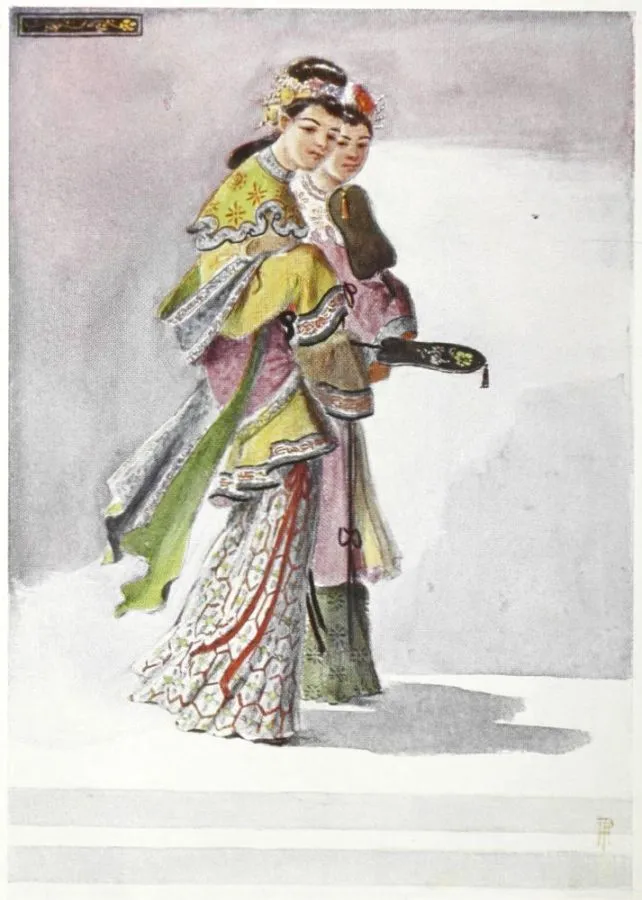
Photo: illustration by Percy Anderson for Costume Fanciful, Historical and Theatrical, 1906, Public domain, via Wikimedia Commons
Here's a fun party trick: ask your friends if they've watched any C-dramas lately. Five years ago, you'd get blank stares. Today? At least one person will launch into an unprompted 20-minute explanation of why the costume drama they binged on Netflix "is actually deeper than it looks."
Chinese-language entertainment has been quietly building a beachhead in American living rooms, and most casual viewers don't even realize how deep it goes. This isn't a wave anymore. It's a slow, steady takeover — and honestly, we're better off for it.
How It Happened: The Three-Door Strategy
The C-ent invasion of the US didn't come through one door. It came through three.
Door one: streaming platforms. Netflix, Viki, and YouTube made Chinese dramas frictionless. Subtitles stopped being a barrier sometime around when we all got comfortable reading half of Squid Game. Suddenly a 40-episode xianxia epic about immortal cultivators was just... another thing in your recommendations.
Door two: TikTok. This is the sneaky one. A 30-second clip of a jaw-dropping costume reveal or a slow-motion sword fight doesn't need translation to hit. TikTok's algorithm doesn't care what language the audio is in when the visuals are that gorgeous — and C-drama edits have racked up billions of views on the app. Half the people watching don't know what show it is. They just know they need it.
Door three: games. Mobile titles from Chinese studios — think Genshin Impact and its many descendants — made Chinese-developed entertainment a daily habit for millions of Americans before they ever touched a subtitled drama. The games were the gateway drug. The dramas are the full addiction.
Why These Shows Are So Stinkin' Addictive
Let's talk about the xianxia and wuxia epics specifically, because they've cracked a formula American TV rarely attempts.
First: scale. These shows operate on a timeline of centuries. Reincarnation plots mean lovers can be torn apart, die, be reborn, and reunite — across three lifetimes. American TV gives you a will-they-won't-they over two seasons. C-dramas will give you a will-they-won't-they across dynasties.
Second: commitment. Yes, 40+ episodes sounds intimidating. But that length buys something US network TV almost never delivers: real emotional payoff. Slow-burn romances actually burn. Characters actually change. By episode 30, you're not watching a show — you're in a relationship with it.
Third: the aesthetics are unreal. The costume design, the flowing sleeves, the floating palaces, the fight choreography — it's a visual language American TV simply doesn't have. It reads as fantasy, romance, and ASMR all at once.
The Hidden Gems to Queue Up Next
If you've only seen the big Netflix exports, here's your homework:
- A classic xianxia romance with a rebirth plot — the genre's gateway title. If you like fantasy and crying, start here.
- A political costume drama — think palace intrigue, backstabbing ministers, and production design that belongs in a museum. Slower burn, massive payoff.
- A modern romantic comedy — yes, they exist, and they're often funnier and sweeter than their American counterparts. Great starter pick if you're costume-drama-averse.
- A wuxia action series — martial arts, brotherhood, revenge. The genre that inspired everything from Crouching Tiger to half of the action movies you love.
On the gaming side, if you've somehow avoided the gacha revolution, the Chinese-developed open-world and action titles currently dominating download charts are the most accessible entry point. Free to start, gorgeous to look at, dangerously easy to sink 100 hours into.
The Takeaway
The best part of this takeover? It's not a trend piece. It's just good entertainment finding its audience through every channel available. The subtitles are on. The queue is full.
LaiLiao — come on, dive in. Your next obsession doesn't speak English, and it doesn't need to.